


Cart
0


Now available at Gunreben.de in the usual top quality:
Solid wood strip parquet
Strip parquet is a classic solid wood flooring made of individual wooden strips. This high-quality real wood floor brings the natural effect of solid wood into your home and can be versatilely coordinated with the room, furnishings, and desired interior style.
Depending on the wood species, grading, surface, and parquet pattern, the result can be a calm, elegant, lively, or expressive floor. You are choosing not just a wooden floor, but strip parquet that suits the desired room effect, as well as the installation height and subfloor.
Overview: All solid wood parquet For installation, finishing, and maintenance:
Adhesives | Skirting boards | Wood floor oil | Parquet sealer | Maintenance products
Advantages of solid strip parquet
-
Solid real wood for a high-quality living sensation
Every individual strip consists of solid wood and brings the natural appeal of a real wooden floor into your home -
The right effect for your home
Through wood species, grading, and surface, you can coordinate the effect of your strip parquet exactly to your home – from calm and elegant to lively and expressive -
Timeless parquet patterns
Our strip parquet allows for the installation of classic patterns like herringbone or parallel bond, creating a floor with a high-quality and traditional effect -
Easy to plan for renovations
Our strip parquet is available in different thicknesses. This allows you to choose a real wooden floor even with limited installation height – for instance, when doors, transitions, or existing connections leave little room for maneuver -
Surface as desired
Unfinished strip parquet can be sanded after installation and subsequently oiled or sealed to match the desired look
Wood species, grading, and room effect
Whether subtle in the background or as a striking design element – wooden floors offer many possibilities for individual design. Wood species, grading, surface, and installation pattern influence how strongly the floor defines the character of a room.
Selecting strip parquet by wood species
The wood species is one of the most important design features of a wooden floor. It defines the color, natural structure, and overall impression, thereby influencing which gradings are suitable for the floor.
For a bright, friendly room effect, ash and oak are excellent choices. Steamed beech and red oak bring more warmth to the overall picture, while cumaru, merbau, or wenge provide darker accents and bring the floor more into the foreground.


Selecting strip parquet by grading
The grading indicates how calm or characteristic the wood appearance looks. Depending on the selection, natural features such as color variation, knots, and structure appear more subtly or more clearly.
While calm gradings like Exquisite are particularly suitable for an elegant overall look, more distinctive gradings like Rustic bring the natural character of the wood more to the forefront of the room. This allows you to select the appropriate grading for your home.



Surfaces
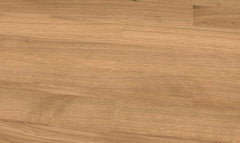
Our strip parquet offers you an unfinished surface that you can design freely. We also offer variants in oak that are oiled and brushed & oiled. After installation, you can oil or seal your parquet to match the desired look. For surface treatment, you will find suitable products such as wood floor oil or a parquet sealer.
Thickness & installation height
Our parquet strips are available starting at a thickness of just 10 mm. This is particularly helpful when doors, transitions, or existing fixtures leave little clearance. Thicker versions with 15 mm or 22 mm provide more substance and offer additional material for future renovations and multiple sandings.
Tip: If doors, transitions, or existing fixtures allow for very little height, vinyl and design floors or multi-layer parquet may also be suitable. They are available in lower material thicknesses and are therefore ideal for limited installation heights.
Technical notes on installation and planning
Parquet strips are glued down over the entire surface. Therefore, the subfloor, adhesive, and installation conditions should be carefully checked. Important factors include flatness, strength, residual moisture, and appropriate subfloor preparation. For bonding, the parquet adhesive must be suitable for the subfloor, the wood species, and the parquet format. Additional information can be found in our guide: Floating vs. glued parquet installation.
For classic patterns like herringbone, the direction of installation should be determined early so that left and right strips can be ordered to match the area. Furthermore, skirting boards, care products, and the chosen finish should be coordinated with the wood species, usage, and the desired room aesthetic. A well-matched combination of flooring structure, surface finish, and cleaning routine supports the long-term value of the parquet strips.
